






After the Drowning: A Family Torn Apart and a Community’s Despair 💔⚖️
A recent decision by the district attorney not to press charges against Emilie Kiser’s husband following the tragic drowning of their young son has ignited a firestorm of debate. How can we grapple with loss while navigating the labyrinth of justice? This unfortunate incident is a stark reminder that life can shift in an instant—transforming joy into sorrow and families into shadows of their former selves, much like a vibrant painting left out in the rain.
The case centers on an ordinary day that spiraled into an extraordinary tragedy, raising questions that pierce the heart of parenthood: What happened? What could have been done differently? And perhaps most haunting of all, who is responsible? To some, this may seem like the cold calculus of legalities. But the implications resonate far deeper, echoing through a community grappling with a profound loss. 🏘️
A Community in Mourning
In the aftermath of such an incident, those who harbor the deepest grief often find themselves cast into the foaming waves of public scrutiny. The shouts of sorrow become a cacophony, drowning out the whispers of understanding. Kiser’s family, once a close-knit unit, is now embroiled in a cocktail of confusion, heartache, and the dry, bitter aftertaste of legal proceedings.
Rather strikingly, the ruling by the DA has led to stark divides in public opinion. Critics argue that the decision reflects a society unwilling to confront its darkest moments, skirting accountability as if it were a thin sheet of ice, ready to crack. We live in an era where personal responsibility often feels like a relic of the past—an old book gathering dust in a forgotten library. Yet, the very framework of the legal system is designed to untangle such tragedy. Where does justice fit into this grieving narrative?
As the adage goes, “Justice delayed is justice denied.” Now, as Kiser’s family stumbles through the fog of grief, one must question whether the absence of charges signifies a failure by the justice system to honor the lives forever altered by this tragedy.
Parenting Under Scrutiny
Parenthood itself can be an exhilarating paradox—a beautiful dance of love and responsibility that makes us, as fallsible humans, yearn for a guiding hand yet often find ourselves lost in the chaos. Becoming a parent is akin to navigating a rickety bridge: thrilling, terrifying, and at times deeply exhausting. The challenge intensifies after such public scrutiny. Emilie Kiser, grieving her son, now faces the world not only as a mother in mourning but also as a focal point of moral admonition. She must reconcile personal grief with public opinion that often comes armed with judgment.
The Ripple Effects of Loss
The ramifications of this tragedy extend beyond the immediate family, like ripples from a stone cast into a calm pond. Community members grapple with their emotions, trying to find meaning amid the chaos. In conversations over coffee or during hushed school drop-offs, the whispers rise and fall, an ongoing dialogue colored by empathy, fear, and, at times, unsettling curiosity. 🤔
Yet amidst the heartache, lessons emerge. Discussions about child safety, the challenges of supervision, and the demands placed on parents resurface. What safeguards can be put in place to prevent such heartbreak in the future? If anything, this tragedy may serve as a poignant reminder of the fragility of life, an uninvited guest at our dinner table, demanding acknowledgment.
A Community’s Path Toward Healing
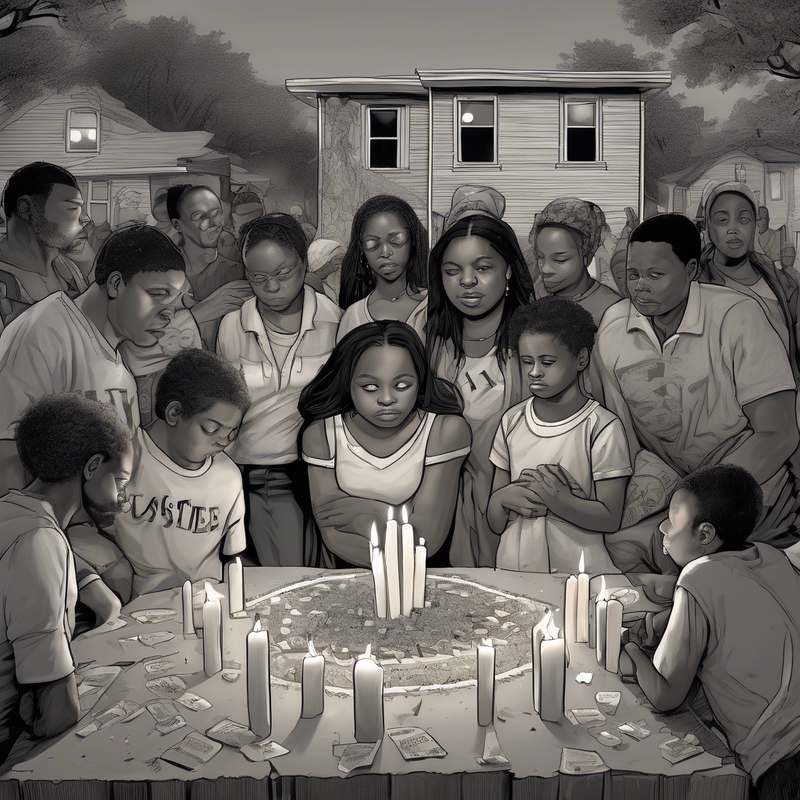
Mourning, while deeply personal, often occurs in the communal spirit. Support networks are formed, candlelight vigils are held, and forums proliferate as people seek meaning and solidarity. 🌟 However, healing is not a linear path. The tapestry of grief is woven with threads of thankfulness for memories shared, anger towards circumstances unjust, and the enduring question of ‘what if’.
Ultimately, Kiser’s community faces a chasm: how can we honor the memory of a young life cut short while grappling with the complexities of legally and emotionally reconciling that loss? The answer does not lie in simplistically laying blame but rather in fostering understanding, emphasizing safety, and collectively embracing the responsibility inherent in raising children.
In the end, should we come to realize that responsibility and grief are complicated companions in the journey of parenthood—a swirl of emotions demanding to be felt deeply, not merely settled upon like a dusty thought? It prompts us to consider how we can be more mindful, more aware, and ultimately, more together in the perilous dance of parenting. 👨👩👧👦




Do you think the communitys response to tragedy reflects true healing or just a facade? Lets discuss! 🤔 #Justice #CommunityHealing
Do you think the communitys response to tragedy is fair or justified? Share your thoughts on how justice is sought in times of despair.
Do you think the communitys response to tragedy is portrayed accurately? I feel conflicted about the balance of healing vs justice.
Does anyone else think the communitys response to tragedy in the article seems too focused on blame rather than healing? 🤔