






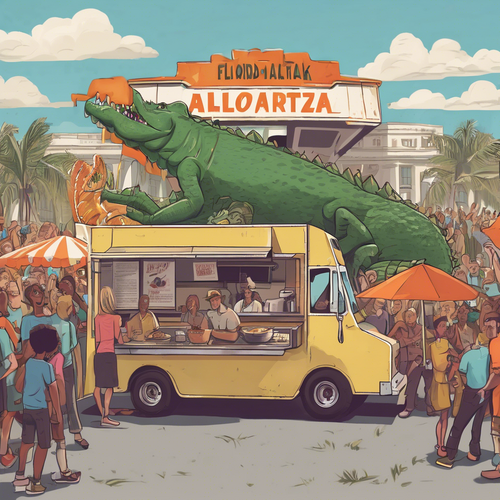
Florida Food Trucks Face Backlash After Catering Controversy at Alligator Alcatraz
The sun-soaked shores of Florida are known for their culinary diversity, but a recent controversy has sent ripples through the food truck community, igniting debates about ethics and public sentiment. 🌞 When a series of food trucks decided to cater an event at Alligator Alcatraz—a popular tourist attraction known for its alligator exhibits—the backlash was swift and unforgiving. 🐊
What was intended as a unique culinary experience quickly turned into a spotlight on ethical sourcing and animal welfare concerns. The Alligator Alcatraz event featured local music and the signature flavors of Florida’s food trucks; however, many patrons expressed unease at pairing food with the presence of alligators nearby. This uneasy juxtaposition raised questions about the appropriateness of serving food where wildlife arguably serves as entertainment. 🍽️
The Trigger: What Happened at Alligator Alcatraz?
According to attendees, conversations centered around enjoying local food quickly veered into discussions about animal rights. Witnesses reported how patrons reacted to food trucks preparing meals adjacent to the alligators, noting concerns about health sanitation practices and the ethics of having food in proximity to caged animals. The issue escalated on social media as images of the event were circulated, leading to viral criticism and calls for a boycott of the participating food trucks. 📱
Local animal welfare advocates condemned the event, referring to it as disrespectful to the creatures on display. “It’s one thing to enjoy Florida’s food scene; it’s another to disseminate harmful practices in the name of entertainment,” stated Laura Fernandez, a spokesperson for the Florida Animal Rights Coalition.
Public Response: The Outcry and Social Media Uproar
The immediate response from the community was polarized. While many food truck enthusiasts defended the vendors, asserting that they were merely providing a service at a private event, a growing number sided with the critics, citing ethical concerns. A poll conducted by a local news outlet found that 65% of respondents disapproved of the food truck’s participation in the event. The overwhelming sentiment was that food trucks should distance themselves from venues that may exploit wildlife for commercial gain. ⚖️
“The decision to serve food next to living creatures who are being showcased for entertainment raises massive ethical concerns,” said Matt Thompson, a Florida-based wildlife preservationist. “It highlights the need for accountability within the food industry, especially in tourism-heavy areas.”
An Economic Perspective: Impact on Local Food Trucks
The backlash has forced many food truck operators to rethink their strategies. With the food truck industry witnessing a boom—with Florida ranking among the top states for food trucks—it’s essential to understand the ramifications of such controversies on local economies. A representative from the Florida Food Truck Association noted, “While events like these can provide incredible exposure, they can also risk long-term damage if the public perceives operations as unethical.” 📈
Moreover, many vendors expressed concern over potential financial repercussions. Loss of business due to public backlash can be devastating for small enterprises. “We depend on community support,” stated Rosa Leon, owner of “Tacos de la Isla.” “My brand is built on aligning with wholesome values. This incident could have lasting effects.” 💔
Looking Forward: A Call for Ethical Practices
As the dust settles, it’s becoming clear that consumer consciousness is shifting towards more ethically responsible practices. A dialogue around the role of food trucks in venues that exploit animals for entertainment is budding, leading to a heightened awareness of food sourcing and impact on animal welfare. With more consumers advocating for ethical food practices, food truck operators might soon find themselves reevaluating their vendor relationships and the types of events they choose to participate in.
The Bottom Line: Lessons Learned
The Alligator Alcatraz incident serves as a microcosm of a larger conversation about ethical dilemmas in the food industry. Activists argue that local businesses have a responsibility to ensure their activities align with the values of their community. The fallout from the catered event underscores the necessity of community engagement and awareness in making culinary choices. As Florida’s food trucks navigate this complex landscape, the path forward may very well depend on their ability to adapt and align with evolving consumer expectations. 🍴🌍



Can you believe the drama over alligator bites at a food truck? People need to chill and enjoy their meals!
Can you believe the drama over alligator meat in food trucks? People need to chill and try new things! #AlligatorAlcatrazMadness 🐊🚚
Can you believe the drama over alligator catering? Food trucks always stir up controversy. Whats next, flamingo flambe? 🐊🍴 #FoodTruckDrama
I cant believe people are upset about alligator meat in food trucks. Its just food, folks! Lets focus on real issues.
Can you believe the drama over alligator meat in food trucks? People need to chill and try new things! #FoodTruckControversy 🐊🚚
Can you believe the drama over alligator catering? Florida food trucks are wild, literally! Whats next, crocodile croissants? 🐊🍔
I cant believe people are upset about alligator meat at a food truck! Its just a unique option, not a crime. Lets embrace diversity in cuisine.