






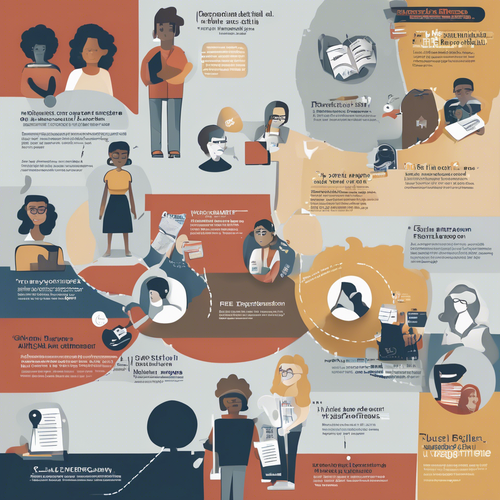
New College of Florida: The Discrepancy Between Free Speech Ideals and Reality
In the heart of Sarasota, Florida, the New College of Florida stands as a beacon of liberal arts education, fervently championing the notion of free speech. But does the institution truly embody this principle, or is it merely a facade? As debates around academic freedom surge nationally, New College faces scrutiny over how it reconciles its proclaimed values of open dialogue with on-the-ground realities that sometimes silence dissenting voices. 🔊
In recent years, the discourse surrounding free speech in higher education has intensified. According to a 2023 survey by the Foundation for Individual Rights and Expression (FIRE), 72% of college students report feeling unable to express their opinions freely. This climate of caution has global implications, impacting not only academic institutions but also broader society. New College’s unique position within this landscape raises pertinent questions about its commitment to fostering an inclusive yet challenging academic environment.
Theoretical Framework versus Practical Application
New College proudly boasts a diverse curriculum that invites students to engage with complex ideas, yet incidents on campus tell a different story. A series of events in the past year highlighted tensions around the expression of countercultural viewpoints. In one notable instance, a speaker invited to address controversial topics was met with protests, leading to a debate on whether protests effectively curb free speech or are a valid exercise of it. 📣
Key Incidents:
- Student Protests: In Fall 2022, protests erupted against a speaker presenting ideas counter to mainstream narratives, prompting discussions about the role of dissent in academic settings.
- Speech Codes: Despite claims of upholding free speech, some students have reported informal repercussions for expressing conservative viewpoints, raising alarms over potential speech codes imposed by peer groups.
- Faculty Perspectives: An anonymous survey among faculty revealed concerns over academic freedom, sparking fears that self-censorship is becoming commonplace. 🎓
Support and Backlash: The Dichotomy Among Students
Support for free speech can vary widely within the student body. A recent poll conducted by campus organizations found that while approximately 85% of students agree that all viewpoints should be welcomed, only 60% feel comfortable expressing certain opinions. This disparity brings to light the complexities of navigating identity politics within a modern academic framework. 🙇♂️
“It’s a balancing act; we want to create a safe space, but we also value the importance of intellectual diversity,” remarked a student government leader. “Sometimes it feels like we can’t have both.”
The Role of Institutional Leadership
Administrative decisions play a critical role in shaping the environment for free speech at New College. The recent appointment of a new president has sparked both optimism and skepticism among students and faculty alike. Known for advocating for academic excellence, there are hopes that her leadership will refocus the college on fostering open debate. Conversely, critics warn that institutional changes could lead to more pronounced censorship. ⏳
Comparisons with National Trends
New College is not alone in facing these challenges. Nationally, colleges and universities are wrestling with similar issues, showcasing a widespread struggle to define the boundaries of free expression. Notably, the American Association of University Professors (AAUP) released a report highlighting increasing incidents of self-censorship among faculty, a trend echoed among students at New College. These patterns reflect a broader culture war permeating campuses, with protection of free speech often at odds with calls for inclusivity. ⚖️
Path Forward: Finding Common Ground
As Articulate advocates for free speech argue for its essential role in academia, others call for a more nuanced approach that considers context and community safety. The challenge for New College is to create an environment where robust dialogue thrives alongside the need for students to feel secure and respected. This paradigm shift calls for collaborative efforts, such as workshops focusing on constructive communication, to promote openness without diminishing the concerns of marginal voices.
The Bottom Line: A Critical Reflection
Ultimately, New College of Florida stands at a crossroads. As it preaches the importance of free speech, the question lingers: how does it practice what it preaches? For an institution touted for its liberal arts foundation, ensuring that every voice—whether popular or unpopular—is heard holds the potential to enrich the academic experience. The road ahead will require vigilance, courage, and perhaps a re-examination of what it truly means to uphold the tenets of free expression in higher education in a divided world. 🌍



Do you think free speech at New College is a tricky balance? How do you navigate the clash of ideals and reality? 🤔
I believe the article missed exploring how social media impacts free speech at New College. Its a crucial aspect to consider.
I think the article raises valid points about free speech at New College. How can we bridge the gap between theory and reality?
Hmm, I wonder if the students at New College of Florida are more divided on free speech issues than we think. 🤔