






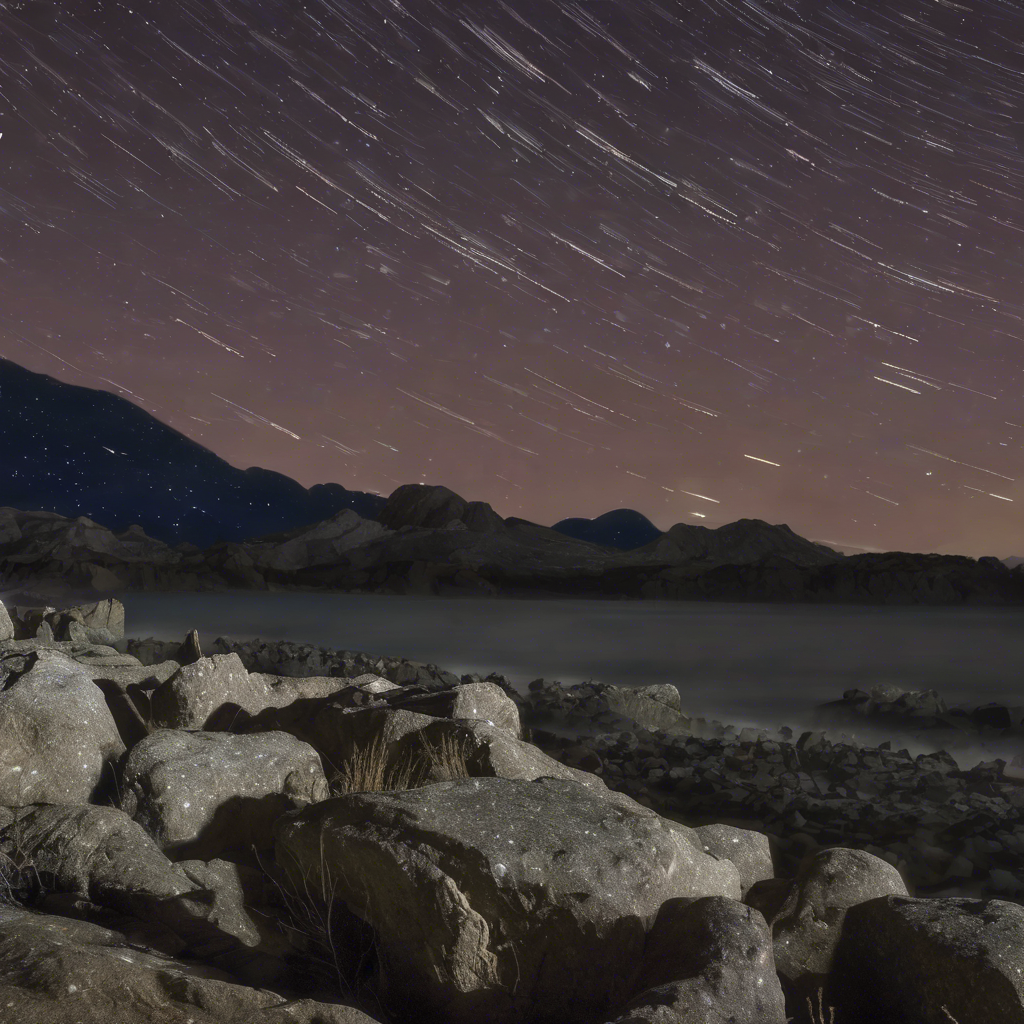
Catching the Cosmic Tears: Your Guide to the Aquarids Meteor Shower
Prepare to be captivated by the celestial fireworks of the Aquarids meteor shower, a dazzling display brought to us by the dusty remnants of Halley’s Comet. Twice a year, Earth passes through these debris fields, resulting in the Eta Aquarids in May and the Delta Aquarids in July. While both offer a captivating spectacle, understanding the nuances of each shower is key to maximizing your viewing experience. ✨
Eta Aquarids: A May Morning Marvel
The Eta Aquarids, peaking around May 6th each year, are known for their swift meteors, often leaving persistent, glowing trails. While visible from both hemispheres, the Southern Hemisphere enjoys a more spectacular show with up to 60 meteors per hour at the peak. Northern Hemisphere viewers can still expect a decent display with 10-30 meteors per hour under ideal conditions. 🌠
The best viewing time for the Eta Aquarids is in the pre-dawn hours, between 2:00 am and dawn. Find a dark location, away from city lights, and allow your eyes at least 30 minutes to adjust to the darkness. No special equipment is needed – just lie back, look up towards the constellation Aquarius (the radiant), and enjoy the show! While the radiant is in Aquarius, meteors can appear anywhere in the sky.
Delta Aquarids: A July Double Feature
Following the Eta Aquarids, the Delta Aquarids grace our skies in late July, peaking around July 28th-29th. These meteors are less bright than the Eta Aquarids and tend to be slower. The Delta Aquarids are also better viewed from the Southern Hemisphere. Northern Hemisphere observers can still catch the show, but rates are typically lower. What makes the Delta Aquarids particularly interesting is their overlap with the Perseids meteor shower, which begins in mid-July. This celestial double feature offers a unique opportunity to witness meteors from two distinct showers simultaneously. 💫
The optimal viewing window for the Delta Aquarids is also in the pre-dawn hours, similar to the Eta Aquarids. Again, find a dark location, allow your eyes to adapt, and look towards the constellation Aquarius. With the Perseids also active, be sure to note the differences in meteor speed and brightness – Delta Aquarids are fainter and slower, while Perseids are brighter and faster. 🚀
Tips for Optimal Viewing 🔭
- Check the Moon Phase: A dark, moonless night is ideal for meteor viewing. Consult a lunar calendar to determine the moon phase during the shower’s peak.
- Find a Dark Location: Escape city lights and find a location with a wide-open view of the sky.
- Be Patient: Meteor showers are unpredictable. Be prepared to wait, and let your eyes adapt to the darkness for at least 30 minutes.
- Dress Comfortably: Nights can get chilly, especially during pre-dawn hours. Dress warmly and bring blankets or chairs for comfort.
- Binoculars and Telescopes are Not Necessary: Meteors are best viewed with the naked eye, as binoculars and telescopes restrict your field of view.
So mark your calendars, prepare for a celestial spectacle, and witness the cosmic tears of the Aquarids meteor shower. Whether you’re a seasoned astronomer or a curious stargazer, the Aquarids offer a breathtaking display of nature’s grandeur. 🌌




I cant wait to witness the Aquarids meteor shower! Whos joining me for this cosmic spectacle? Lets meet under the stars ✨🌠
I think the best time to catch the Aquarids meteor shower is during a midnight picnic with friends. Whos in? 🌠🍔