


Photos Show Atmospheric River Bringing Flooding to Pacific Northwest 🌧️🌊
It is curious, almost cruel, how nature sometimes rehearses its fiercest plays without an audience prepared for the script. Last week, an atmospheric river — a phrase as poetic as it is ominous — drenched the Pacific Northwest, unleashing torrents that turned calm rivers into raging beasts and streets into mirrored lakes. The photographs flooding social media capture scenes as if from a forgotten era when rivers had the final say, reminding us quite forcefully that no amount of urban planning can outsail the whims of the sky. ⛈️
An atmospheric river, for those not yet acquainted with the term, is essentially a narrow corridor of concentrated moisture hurling itself from the tropics toward cooler latitudes, like a celestial firehose aimed directly at Earth’s delicate infrastructures. Imagine an invisible sky-high water delivery truck, driving relentlessly for hundreds of miles, only to unload its entire cargo suddenly over vulnerable landscapes. Sounds like a sci-fi plot, but it is a meteorological reality that climatologists have long studied — although perhaps with less urgency than recent events demand.
What Exactly Is an Atmospheric River? 🌫️
“Rivers in the sky” are not mere fancy metaphors. They transport more water than the Amazon — but in vapor form — and when conditions align, they deliver that moisture as relentless rain or heavy snow. Pacific Northwest states like Washington and Oregon have earned a bittersweet reputation as frequent recipients, but the recent rupture was a particularly violent outlier.
These atmospheric rivers do their work mostly in winter, when jet streams dip south and moisture-laden air masses from the Pacific Ocean invade. According to NOAA data, this last event unloaded well over 10 inches (250 millimeters) of rain in some areas within just days, saturating soils already swollen with earlier precipitation. Water levels in rivers surged, causing levees and dams to strain alarmingly.
Floodwaters Write a New Chapter in Regional History
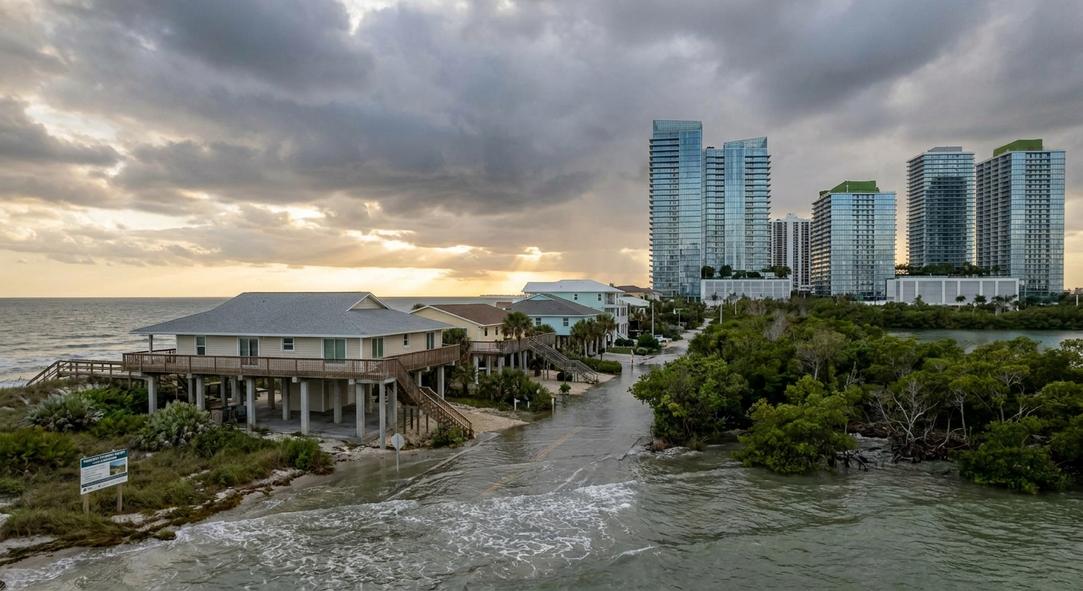
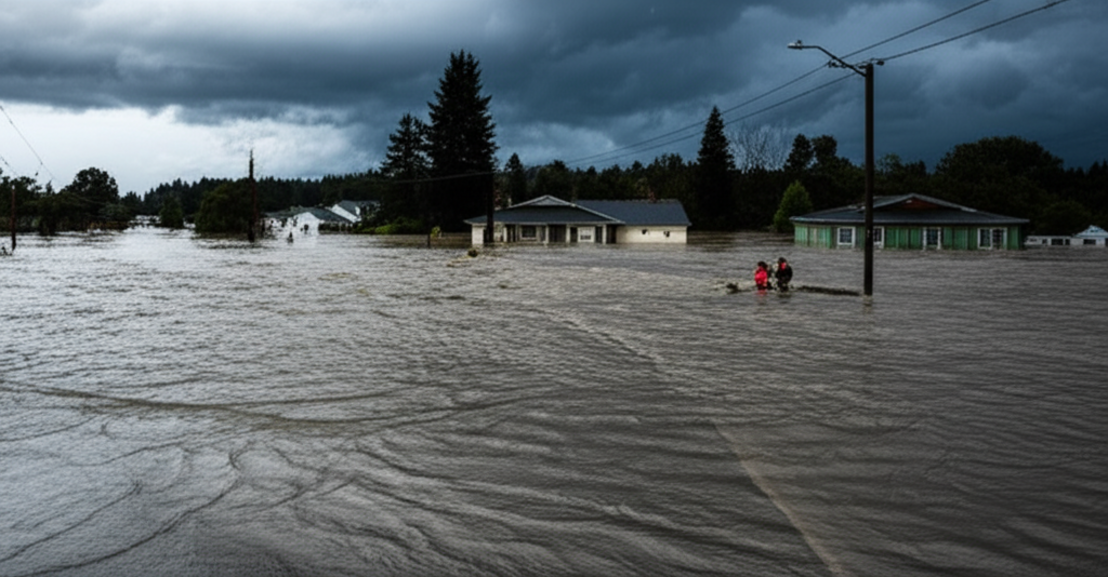
The photos tell stories beyond measurement. Trees uprooted like matchsticks, highways submerged beneath pools vast enough to mirror storm clouds, houses that seem perched on islands conjured in the middle of former neighborhoods. Tweeted images show residents wading ankle- to waist-deep through murky waters, faces a mix of stoic resilience and disbelief.
Striking is the contrast between the region’s bucolic reputation — rain-soaked forests and mild winters — and this sudden, severe devastation, which feels akin to watching a gentle giant shrug off civility and roar. It’s as if the Pacific Northwest, renowned for serene mountain landscapes and temperate weather, has been caught off-guard by a tempest that echoes tales from centuries ago yet wears the badge of modern climate disruption. The antithesis couldn’t be clearer: between the steady drizzle that defines its identity and the deluge now threatening its future.
Communities and Infrastructure: Caught in Nature’s Crossfire
Flood-related damages ripple well beyond the soggy soil. Roads and bridges—lifelines of commerce and daily life—buckled or were washed away, isolating some towns and complicating rescue operations. Utilities faltered, leaving tens of thousands in the dark and cold at a time when warmth and connectivity mattered most. Washington state’s emergency response agencies reported over 450 high-water rescues, highlighting the scale of human risk.
Insurance claims are expected to climb into hundreds of millions, but can money ever fully recompense the loss of memory, the disruption to life’s fragile cadence? And what of the invisible scars — the quiet anxiety that in every pulsing drop falls the tacit reminder of vulnerability? In these images, we witness a modern tragedy, but also the stubborn tenacity of community — neighbors ferrying elders in kayaks, volunteers forming human chains to shore up berms, and officials grappling with the cold calculus of disaster management.
Are Atmospheric Rivers Climate Change’s Fluid Footprint? 🌍
Scientists warn that climate change is shining a spotlight on these once-rare events. Warmer oceans mean a thicker soup of water vapor floating into the sky. The irony sits heavy: in an age defined by technology’s promise to shield us, we find ourselves bailing out rivers in the sky. The invisible currents that nurture droughts in one hemisphere swell into punishing floods in another. This juxtaposition reveals a planet where extremes are no longer anomalies but the new normal.
Yet beyond the grim numbers and weather jargon, the real lesson might be not just about how much rain falls, but how prepared, adaptable, and empathetic societies become. Floodwaters don’t read climate policy; they obey physics. What stories the next chapter will write remains uncertain, but they will surely be shaped by human response as much as natural forces.
In an ever wetter world, these atmospheric rivers might just be nature’s way of reminding us that no dam, levee, or municipal decree can hold back the sky forever. They ask a simple but profound question: What will we do when the heavens deliver their message—loud, clear, and undeniably wet? 🌧️💧