



“`html
National Hurricane Center Tracking Three Tropical Waves as Invest 93L Moves Inland 🌊🌪️
As the summer sun begins to dim and the calendar edges closer to autumn, a familiar specter looms on the horizon: hurricane season. The National Hurricane Center (NHC) is currently tracking three tropical waves, with Invest 93L emerging as the main focus of attention as it wades inland. The question isn’t merely about wind speeds or storm surge; behind every tropical system lies a narrative of human resilience and vulnerability intertwined with nature’s whims. Are we prepared to face yet another tempest? 🌩️
The Emerging Threat of Invest 93L
Tropical disturbances are often a reminder of nature’s duality—beautiful yet fearsome, like a siren luring sailors to their doom. Invest 93L has already made headlines, with meteorologists issuing warnings that suggest it might intensify the moment it hits land. Oddly enough, as the storm gathers momentum, the excitement generated in media outlets might be likened to a child eagerly anticipating their birthday gift—both thrilling and fraught with uncertainty.
Crucially, it’s essential to view these forecasts through the lens of historical context. Consider Hurricane Katrina, whose rampage at the turn of the millennium reshaped coastal policy and disaster preparedness in the United States. Before Katrina, many viewed tropical storms as mere seasonal annoyances; post-Katrina, the specter of storm systems transformed into a harbinger of chaos but also a catalyst for better preparedness protocols. This antithesis—once viewed as a nuisance, now seen as a significant threat—perfectly encapsulates the evolving relationship between humans and hazardous weather. It’s the irony of survival; to thrive, we must first learn to fear and respect nature’s fury. 🌍
The Structure of Tropical Waves: A Meteorological Symphony
Tropical waves are typically born from disturbances in the Trade Winds, veering off like wayward children testing their limits. Each wave that the NHC tracks is imbued with a certain personality—some glide smoothly across warm waters, while others plunge headfirst into chaos amidst hostile atmospheric conditions. The complex interplay of temperature, moisture, and wind creates a milieu that scientists liken to a finely-tuned orchestra, where each element harmonizes or clashes in an intricate ballet, producing melodies of clouds and thunderstorms.
Practical Implications: Are We Prepared This Time? 📦
Emergency preparedness has become a national dialogue, particularly in regions accustomed to the tropical tantrums of the Atlantic. Gone are the days when families would haphazardly grab canned goods and bottled water last minute, convinced that their local grocery store could save them with a quick run. Nowadays, storm tracking apps and NOAA alerts permeate our consciousness as we remain hyperaware of our surroundings. But how much have we truly learned? Is our desire for control merely an illusion, like grasping at a handful of sand as it slips through our fingers? 🤔
Lessons from the Past: The Persistence of Memory
The aftermath of past storms teaches us vital lessons about infrastructure and community resilience. For example, Superstorm Sandy taught New York not just about the wrath of nature but also about the coordination of resources—each interaction between shelter providers, emergency responders, and affected communities became crucial, weaving together a safety net that seemed less like government intervention and more like a shared human experience. The contrast is jarring: One might view natural disasters as a breaking point for society, but they can also reaffirm communal bonds, illuminating our shared vulnerabilities and strengths. 💪
Responding to the Winds of Change
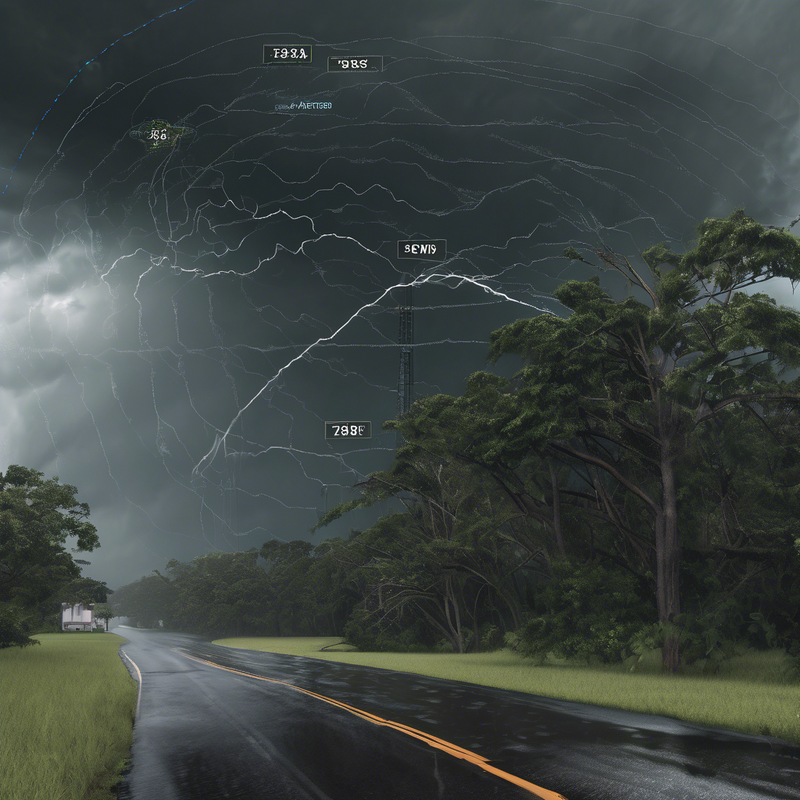
As we gaze at the satellite images showcasing Invest 93L, it’s tempting to see these storms as faceless entities destined to wreak havoc. However, they are also a wake-up call—a reminder that in an age of climate anxiety, our preparations must evolve. Rather than merely being passive recipients of fate, we stand at a crossroads where proactive measures can transform destruction into opportunity. With the hustle to reinforce infrastructure and revise building codes, we could pave the way for a future that is less about fearing hurricanes and more about embracing resilience. 🛠️
So, What Lies Ahead? 🌪️
As the NHC continues to track these tropical systems, we are left with a profound question: Are the meteorological patterns we observe a simple twist of fate, or do they reflect deeper environmental changes? The play of chaos and order in our weather systems creates an evocative simile—a cosmic dance where each partner has its role, but the outcome remains unpredictable. Ultimately, our ability to adapt to these changes isn’t just a matter of science; it’s about humanity’s narrative of survival, a continuum that flows like the very rivers we hope to protect.
In this moment, as we monitor the path of Invest 93L, let’s remember that storms are not just environmental phenomena; they embody the complexities of our relationship with nature, evoking both awe and dread. Are we ready? Only time will tell. But for now, as the waves roll in, we must brace ourselves, both physically and emotionally, for whatever may come. 🌊
“`

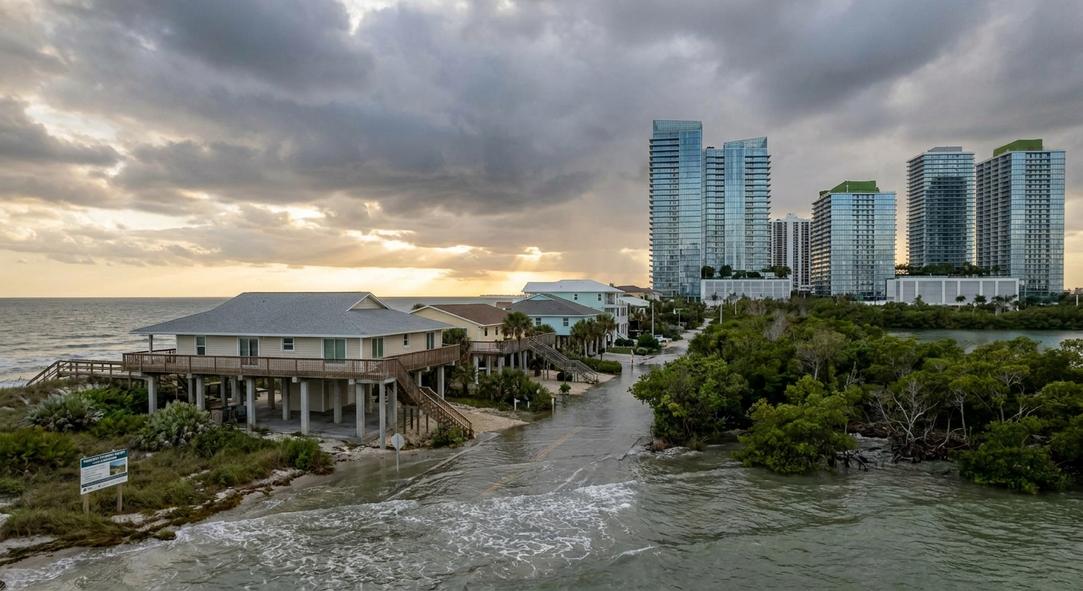


I think we should pay more attention to these tropical waves. Are we really prepared for whats coming? Stay safe, everyone! 🌀🌊
Are we ready for the impact of Invest 93L? Lets hope our preparations are solid this time. Stay safe, everyone! 🌀🌦️ #HurricaneSeason